Mixing Textures Like A Pro: From Workday To Weekend
Mastering the art of mixing textures is a subtle yet powerful way to elevate a man’s wardrobe. Texture adds depth, interest, and dimension to an outfit, allowing even simple pieces to appear thoughtfully styled. Whether moving from the office to a casual weekend gathering, understanding how to combine fabrics effectively ensures a cohesive, polished, and versatile look.
The first step in texture mixing is understanding the role of each piece in an outfit. Structured fabrics like cotton blends, wool, or finely woven layers create a strong foundation, perfect for professional settings. These materials convey confidence, attention to detail, and refinement, ideal for workdays where a polished appearance is key. Softer fabrics such as knits, brushed cotton, or lightweight layers offer movement and comfort, making them excellent choices for casual weekend outfits. Balancing structured and soft elements is essential for a seamless transition between formal and relaxed looks.
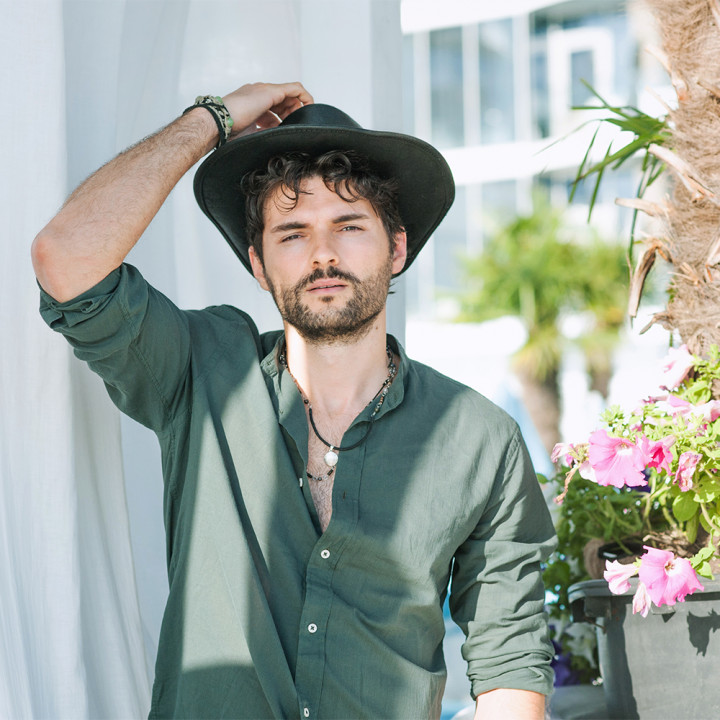
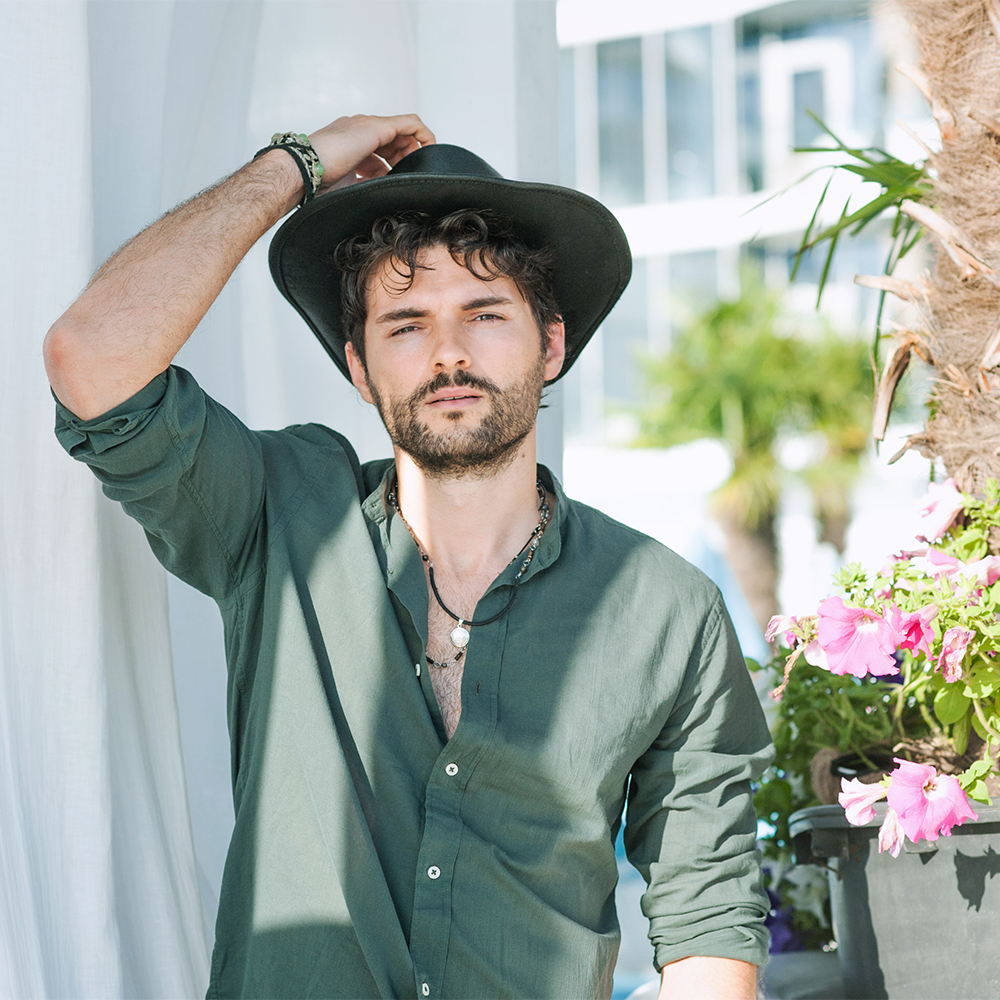
Layering plays a central role in texture mixing. A crisp, smooth top layer paired with a subtle textured bottom can create visual contrast without overwhelming the outfit. Rolling up sleeves or leaving a layer open introduces a relaxed, approachable vibe for off-duty occasions. Similarly, pairing a slightly textured top with sleek, structured trousers maintains a professional appearance while subtly adding depth and personality. Thoughtful layering ensures each piece complements the other, enhancing the overall aesthetic and avoiding clashing combinations.
Color and tone also impact how textures interact. Neutral shades like navy, gray, or black provide a strong base, allowing textured fabrics to stand out naturally. Muted tones or earth colors add warmth and subtlety, ensuring a refined yet approachable feel. Layering textures in similar tonal families creates harmony, while contrasting tones can be used strategically to highlight specific pieces. Understanding how color and texture work together enables men to create outfits that are visually appealing and effortlessly cohesive.
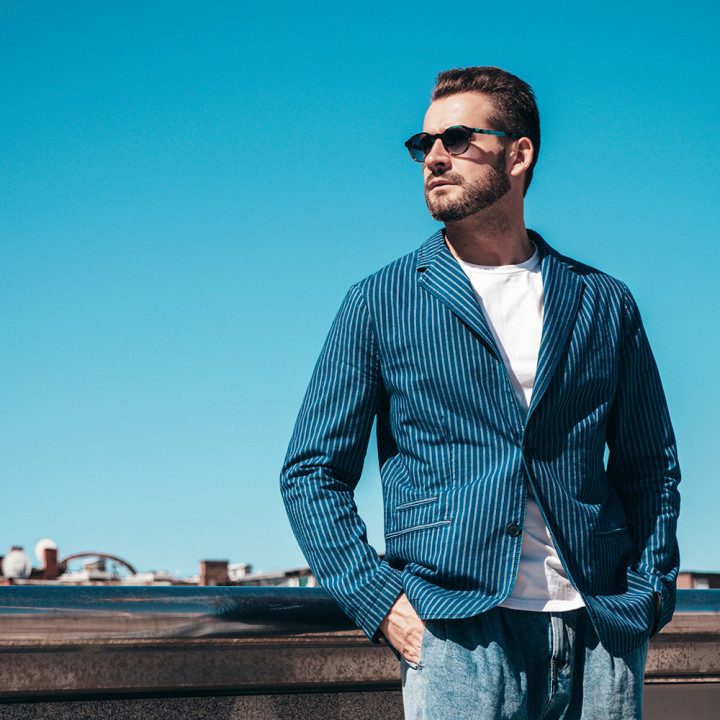
Patterns and weaves contribute to texture without being overwhelming. Fine stripes, tonal checks, or subtle herringbone patterns add interest while remaining professional. For casual settings, slightly bolder patterns or woven details can inject personality without appearing overly flashy. Pairing patterned pieces with solid fabrics maintains balance, ensuring the outfit remains sharp and intentional. This strategic approach allows texture to enhance the outfit rather than dominate it, making it versatile for multiple occasions.
Transitioning from workday to weekend looks often involves adjusting how textures are combined. A structured shirt paired with tailored trousers during office hours can be transformed for casual wear by introducing softer layers or relaxed bottoms. Lightweight, breathable fabrics create comfort for social events while maintaining a cohesive and polished appearance. Strategic layering and thoughtful adjustments allow the same pieces to feel entirely fresh and adaptable across settings.
Fit and proportion remain crucial when mixing textures. Well-fitted tops and bottoms allow textured fabrics to maintain their visual impact without looking bulky or unbalanced. Tailored pieces highlight the wearer’s silhouette, ensuring structured and soft fabrics work together harmoniously. Adjusting the length, roll, or drape of a piece can further refine the outfit, creating a dynamic yet intentional look suitable for both professional and casual occasions.
Attention to small details can elevate texture mixing even further. Subtle contrasts, such as pairing a brushed or matte fabric with a smooth or slightly glossy one, create depth and interest. Layering fabrics with different weights also ensures practicality and comfort, allowing the outfit to adapt to changing temperatures or activities. By focusing on these elements, men can achieve a look that appears thoughtfully constructed without requiring excessive effort.
Confidence is the final ingredient in mastering texture mixing. Wearing textures that complement your personal style and fit comfortably enhances the overall effect. Standing tall, moving naturally, and embracing subtle contrasts ensures the outfit appears intentional and stylish. When combined thoughtfully, textures transform ordinary clothing into a dynamic and versatile wardrobe capable of carrying you from professional settings to weekend outings effortlessly.
In conclusion, mixing textures is a skill that elevates a man’s wardrobe, adding depth, sophistication, and versatility. By understanding fabric types, layering, color, patterns, and fit, men can create outfits that transition seamlessly from the office to casual weekend settings. Mastering this balance allows for polished, confident looks that are both practical and visually engaging. With careful attention to detail and a focus on complementary textures, every outfit can feel intentional, stylish, and adaptable, making texture mixing an essential part of modern men’s fashion.